Description
Custom Rigid Display Boxes for Products That Sell on Feel as Much as Price
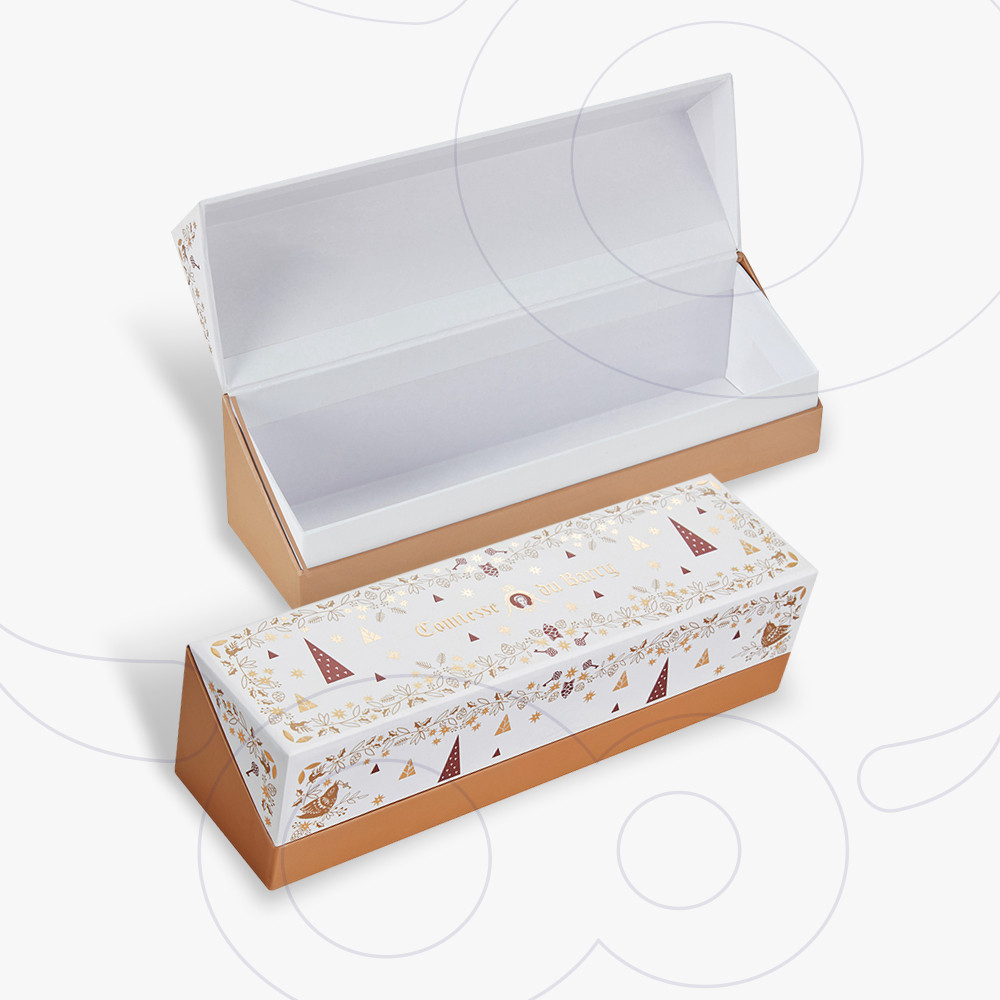
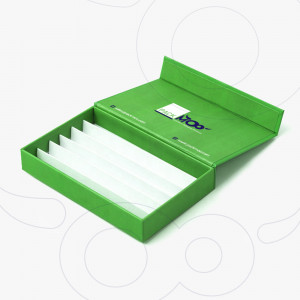
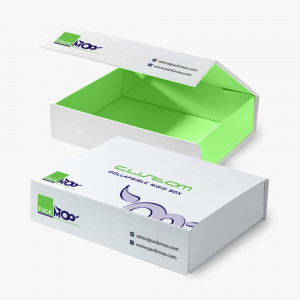
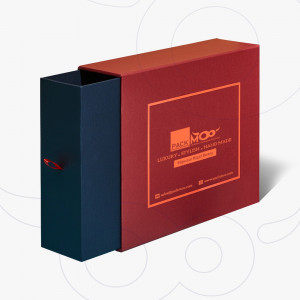
A folded corrugated display works fine for a two-week promo. It doesn't work if your product costs $80 and needs to sit on a boutique counter looking intentional for the next six months. That's what rigid display boxes are for: a solid, non-collapsible chipboard structure wrapped and finished to match a higher price point, built to feel like part of the store rather than a temporary cardboard add-on.
When It's Worth Paying More for Rigid
Corrugated is the right call for high-volume, short-cycle promotions. Rigid earns its cost when you need permanence - a fixture that survives a full retail season, feels solid under a customer's hand, and functions more like in-store furniture than disposable point-of-sale material.
What's Actually Inside the Structure
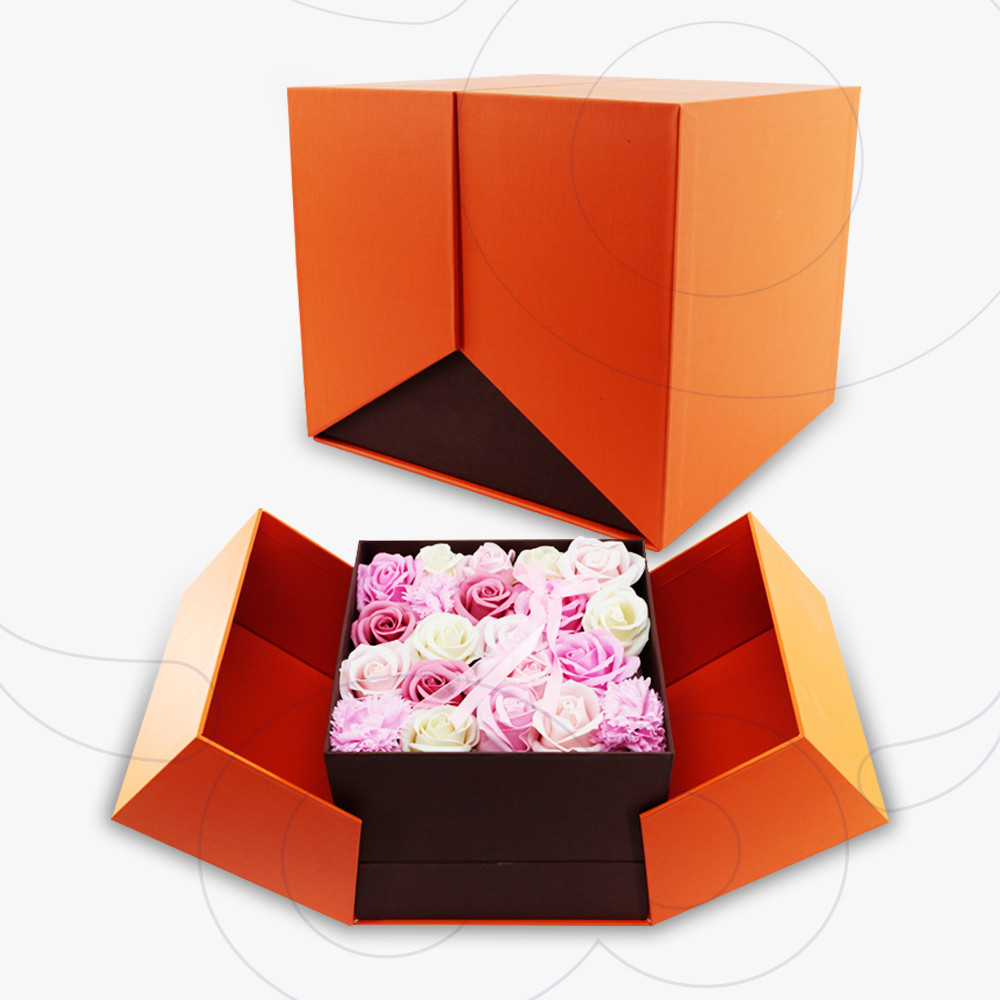
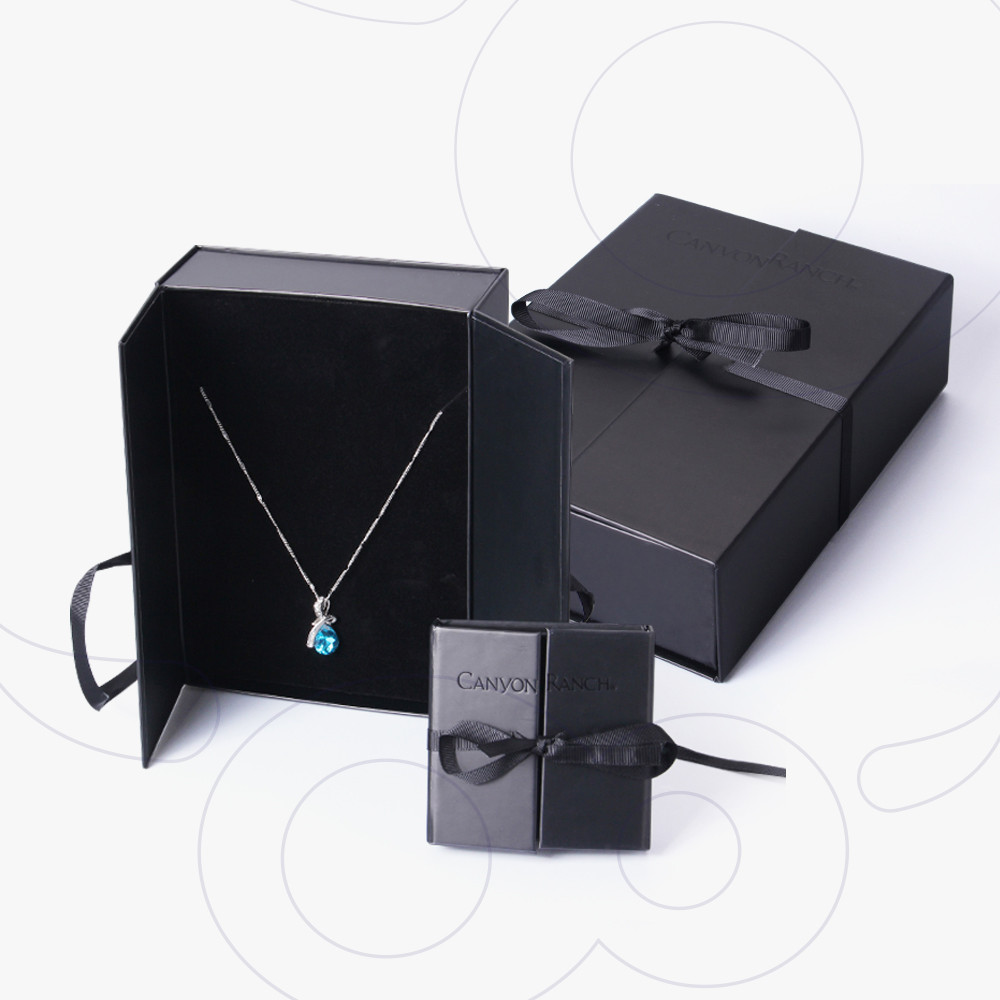
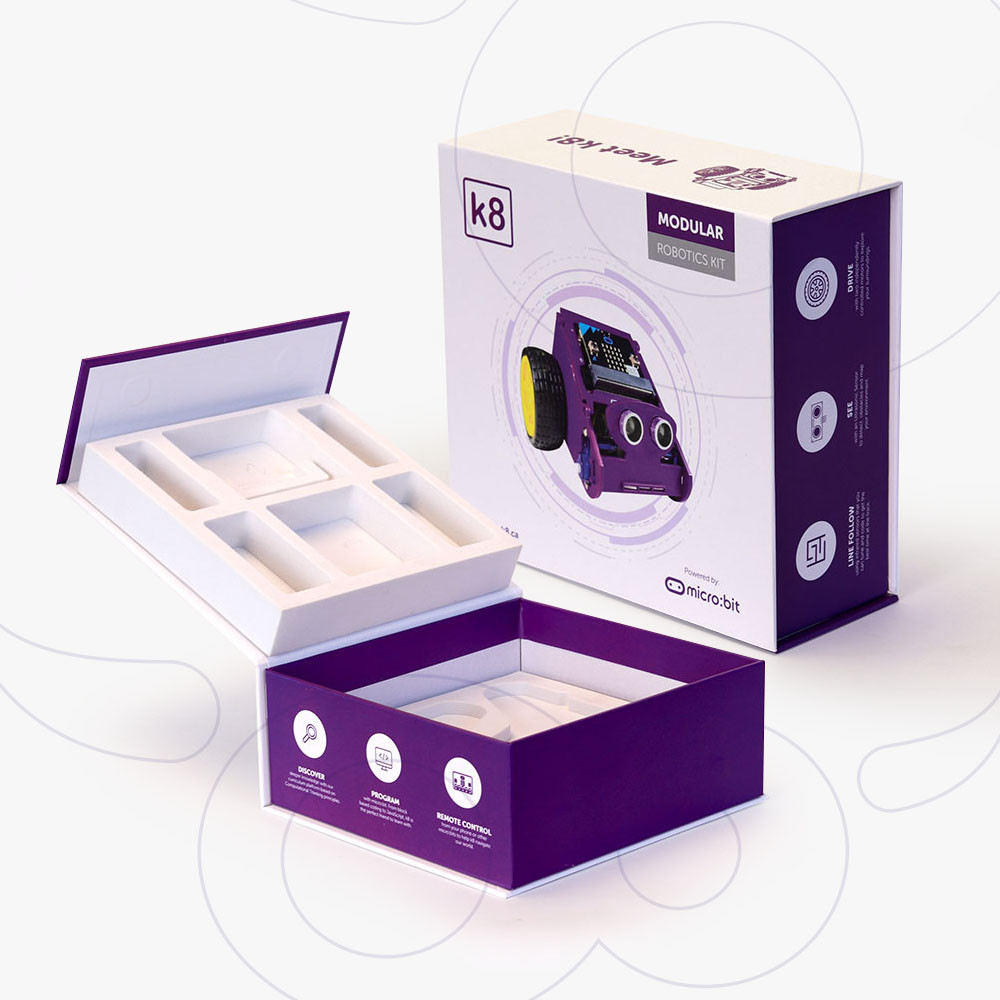
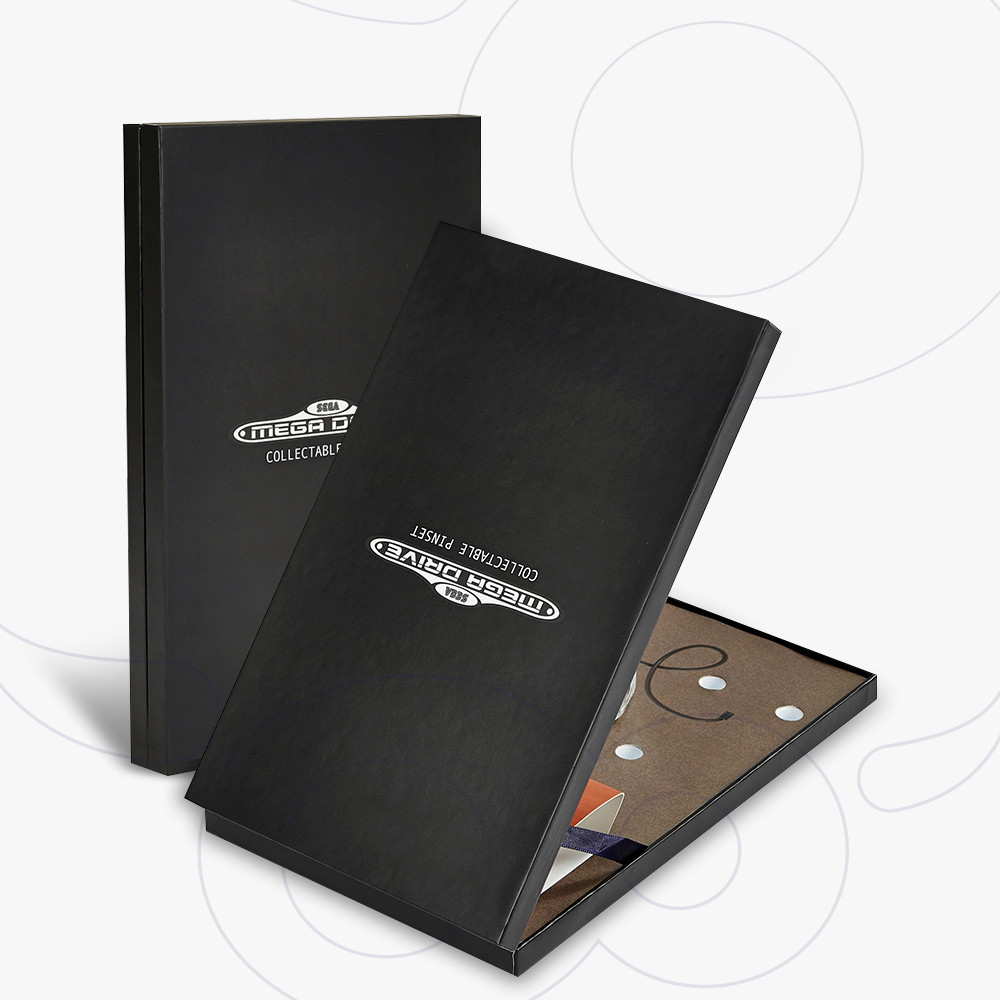
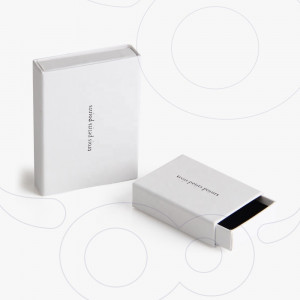
Rigid chipboard core, usually 1.5mm to 3mm depending on the size and load. Exteriors wrapped in specialty paper, textured stock, linen, or leatherette. Reinforced corners and base structures for displays that get moved, cleaned, and restocked over and over. And where it makes sense, magnetic or friction-fit elements for companion product boxes displayed alongside the fixture.
Finishing Touches That Do the Heavy Lifting
- Foil stamping in metallic or matte finishes for logo and detail work
- Silk-screen printing for precise, opaque color on textured wraps
- Embossing and debossing for tactile branding
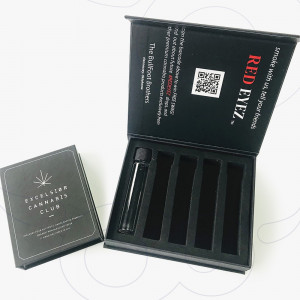
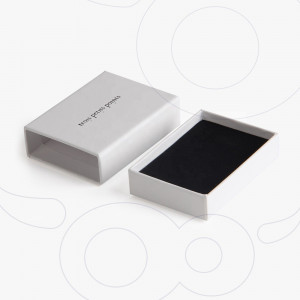
- Velvet, foam, or fabric inserts for jewelry, watches, or fragile premium goods
Categories This Tends to Fit
- Jewelry and watches
- Premium spirits and wine
- Luxury cosmetics and fragrance
- High-end electronics and tech accessories
- Premium confectionery and gifting
Chipboard Thickness and Typical Sizing
Chipboard core thickness is usually the first spec we settle on, since it drives both cost and durability. Lighter 1.5mm board works for smaller countertop risers and single-product stands, roughly 6 to 14 inches in height. Mid-weight 2mm board is the common choice for standard counter and small floor displays in the 14 to 30 inch range. For larger floor fixtures or anything expected to hold heavier product like spirits bottles or electronics, we typically move up to 2.5mm or 3mm board for the added rigidity. These are starting points, not fixed rules - the right thickness also depends on wrap material, how often the display gets moved, and how long it needs to stay in rotation.
Built to Outlast the First Season
A rigid display is meant for the long promotional cycle - sturdy enough to sit on a counter for months, and simple enough to wipe down or swap header graphics between campaigns instead of replacing the whole fixture every time you run a new promotion.
From Sample to Store Placement
Rigid projects almost always start with a material and finish decision, since that's what drives both the look and the cost. We'll usually recommend a physical sample of the wrap and finish before committing to a full production run, especially if you're matching a specific luxury material like leatherette or linen. Once the finish is approved, structural production and wrapping typically take 7 to 15 business days, with rush options available if a launch date is fixed. Because rigid displays are meant to last, most brands treat the first order as the template for future reorders rather than a one-off run.
Making the Cost Call: Rigid Versus Corrugated
Rigid almost always costs more per unit than corrugated, so it's worth being honest about when that extra cost is justified. If your display is running for a two- to eight-week promotion and then getting broken down, corrugated is very likely the better spend since you're not paying for longevity you won't use. Rigid earns its cost when the display needs to survive months rather than weeks, when the product price point is high enough that a flimsy-feeling fixture actively undermines the sale, or when the display itself functions as ongoing brand real estate rather than a one-time promotional push. A useful rule of thumb: if you'd be embarrassed to have the display still sitting there looking worn out three months from now, that's usually a sign rigid is the right call. If the promotion has a hard end date and the display comes down anyway, corrugated does the job for less.
Rolling Out Across Boutiques and Multi-Door Retail
Premium brands rarely need just one display. More often it's a rollout across a dozen boutique accounts, a department store footprint, or a multi-door retail chain, and consistency across those locations matters as much as the quality of any single unit. We lock in the approved wrap, finish, and structural spec before producing multiple units, so a jewelry display in one boutique looks and feels identical to the one three states away rather than varying slightly batch to batch. If certain accounts need small footprint adjustments, like a narrower counter in one location or a taller sightline requirement in another, we can build variations off the same core spec instead of designing each one from scratch. For brands planning a phased rollout, it's worth telling us the full scope upfront, even if the first order only covers a handful of doors, since it lets us plan material sourcing and production in a way that keeps per-unit cost more consistent as the program grows.
Why Premium Brands Come to PackMoo
Design support is free, and we keep refining it until the fixture actually matches your brand's standard of finish. Every order carries a 100% quality guarantee on structure, wrap, and print. Minimums start around 100 units, which fits boutique and limited-distribution launches without forcing a huge commitment. Production typically runs 7 to 15 business days, with rush service available when a launch date won't move, and shipping is free on qualifying U.S. orders.
Common Questions
How is a rigid display different from a corrugated one?
Rigid uses a solid, non-collapsible chipboard core wrapped in specialty material, which gives it a heavier, more permanent feel than folded corrugated board. The price reflects that.
Can you match a specific finish, like linen or leatherette?
Send a reference sample or spec sheet and we'll match the wrap material and finish as closely as production allows.
How long will a rigid display actually hold up in-store?
Built well, it typically lasts a full retail season or longer with normal handling, and can often be refreshed with new header graphics instead of being replaced outright.
What's the minimum order quantity?
Around 100 units for most rigid display runs, which suits boutique rollouts and limited-distribution launches.
How long does production take?
About 7 to 15 business days from art and material approval, with rush options for tighter launch dates.
How much do custom rigid display boxes cost?
Rigid displays cost more per unit than corrugated or kraft because of the chipboard core and specialty wrap materials, but pricing still comes down meaningfully at higher quantities.
What sizes and chipboard thicknesses are available for rigid displays?
Countertop risers typically use 1.5mm board and run 6 to 14 inches tall, while larger floor fixtures often move up to 2.5mm or 3mm board and can run well beyond 30 inches, depending on the product they're holding.
Are rigid display boxes reusable across multiple promotions?
Yes, that's one of the main reasons brands choose rigid over corrugated. Many rigid displays get refreshed with new header graphics or inserts and reused for more than one campaign.
What products are rigid display boxes best suited for?
Anything where the packaging needs to signal a higher price point - jewelry, premium spirits, luxury cosmetics and fragrance, and high-end electronics are the most common categories.
Can rigid displays include inserts for fragile items like jewelry or glass bottles?
Yes, velvet, foam, and fabric-lined inserts are common additions for jewelry, watches, and glass packaging that needs extra protection and a more upscale presentation.
Do rigid display boxes ship assembled or flat?
Most ship partially assembled or in a few structural pieces, since rigid board doesn't fold flat the way corrugated does. We'll confirm the exact shipping format based on the size and complexity of your design.
Is the lead time longer for rigid displays than corrugated ones?
It's similar in most cases, typically 7 to 15 business days, though highly custom wraps or finishes can add time. We'll flag it upfront if a specific finish is going to extend the timeline.
Can rigid displays be used across a multi-store retail rollout?
Yes, this is one of the more common uses for rigid displays. We lock in a single approved spec so units built for a rollout across multiple boutiques or stores stay consistent.
Let's Design It
Send us your product dimensions and the finish level you're aiming for. We'll put together a free concept and quote that matches where your brand sits.